
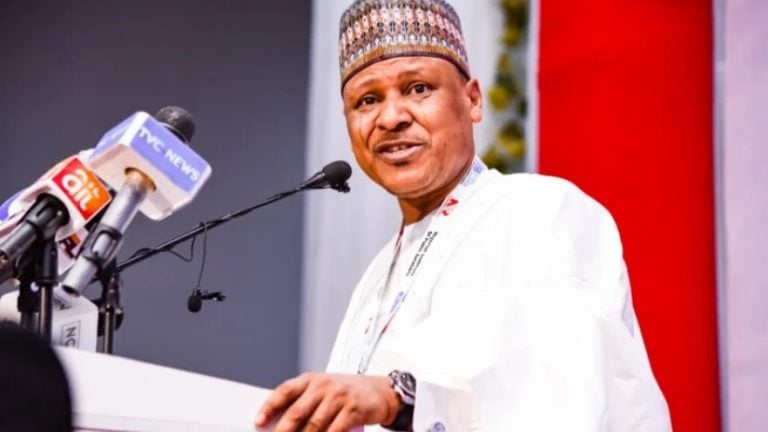
The Federal Government, in collaboration with the United Nations Children’s Fund (UNICEF), has called on media organisations and practitioners across the country to join efforts in protecting the rights of children.
Speaking through the Federal Ministry of Information and National Orientation, the government emphasised the vital role journalists play in shaping public understanding, influencing attitudes, and safeguarding vulnerable groups, especially children.
This call was made on Monday during a two-day training workshop for media practitioners on ethical journalism and children’s rights reporting held in Ibadan, Oyo State.
The Permanent Secretary of the ministry, Ogbodo Nnam, represented by the Assistant Director and Head of the Child Rights Information Bureau, Temitoye Falayi, said the training was aimed at enhancing ethical reporting on child protection.
He noted that the exercise was designed to help journalists reflect on their ethical obligations, explore best practices for reporting on children’s issues, and strengthen understanding of child rights as provided in national laws and international conventions.
“The media holds immense power — the power to inform, inspire, and hold institutions accountable. But with that power comes a profound responsibility: to report with integrity, sensitivity, and respect for human dignity,” Nnam said.
When it comes to stories involving children, that responsibility becomes even greater. Every image, every word, and every frame we publish can have lasting consequences on a child’s life, safety, and future,” he added.
He further noted that through open discussions, case studies, and shared experiences, the training aimed to build a media culture that protects children’s identities, amplifies their voices responsibly, and upholds the highest ethical standards.
In her keynote address, the UNICEF Chief of Lagos Field Office, Celine Lafoucriere, stressed that ethical reporting about children was essential to ensuring that their rights were not compromised in the pursuit of sensational headlines.
“At UNICEF, we believe that every child has the right to be seen, heard, and protected. Ethical reporting is not just a professional standard; it is a moral imperative,” Lafoucriere said.
“It is about ensuring that children are portrayed with dignity, that their stories are told with care, and that their rights are never compromised in the pursuit of headlines or profit,” she added.
She urged journalists to leave the training with renewed commitment to uphold the highest standards of journalism, especially when reporting on children, and to serve as champions of ethical reporting in their newsrooms and communities.
“The way we report on children today shapes the kind of society we build tomorrow. By choosing ethics, you choose protection, dignity, and a better future for every child in Nigeria,” she stated.