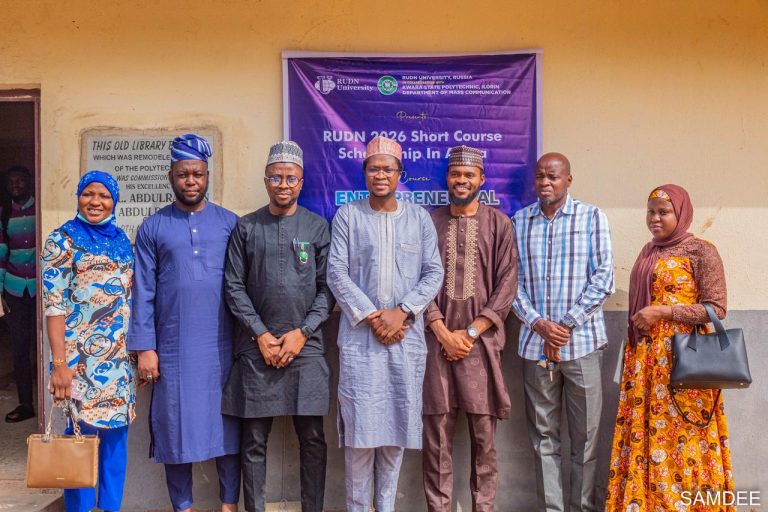
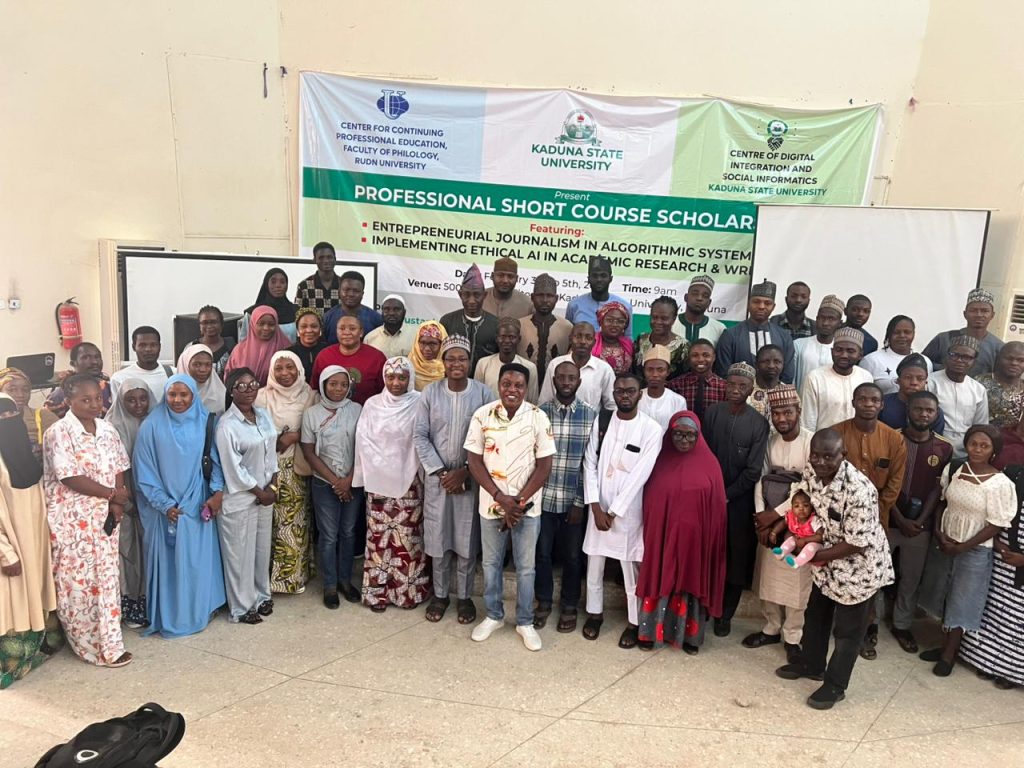
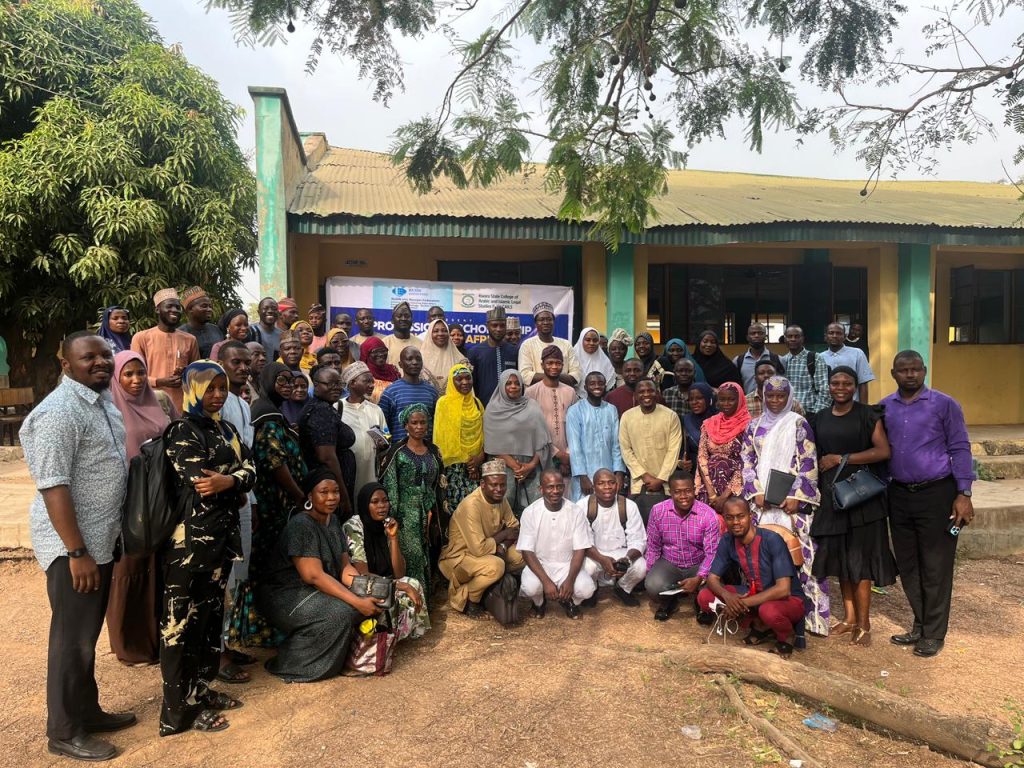
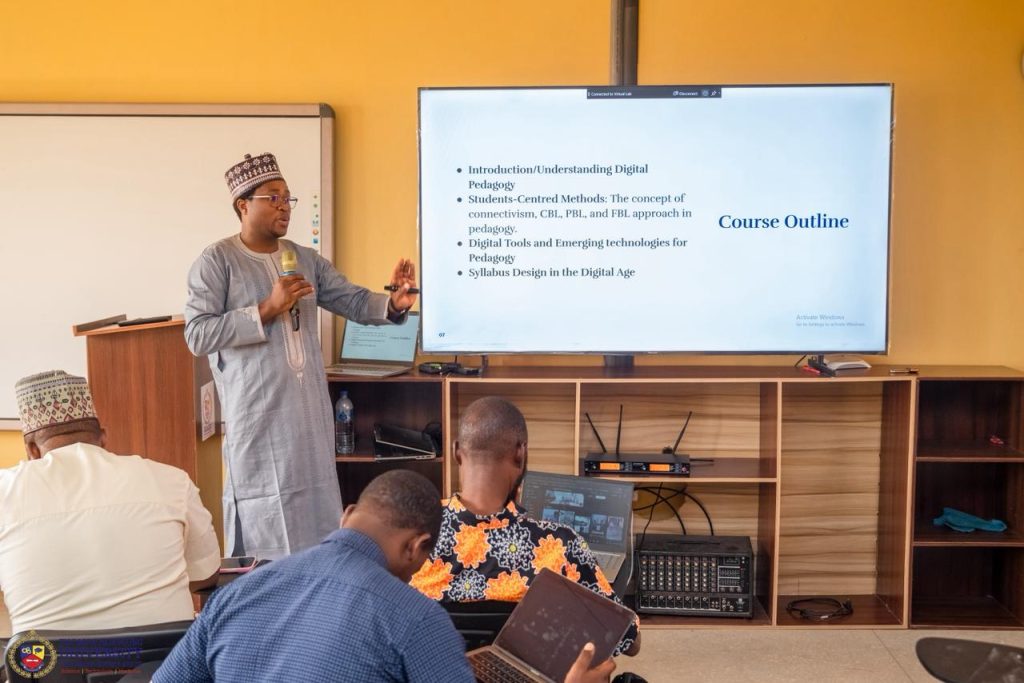
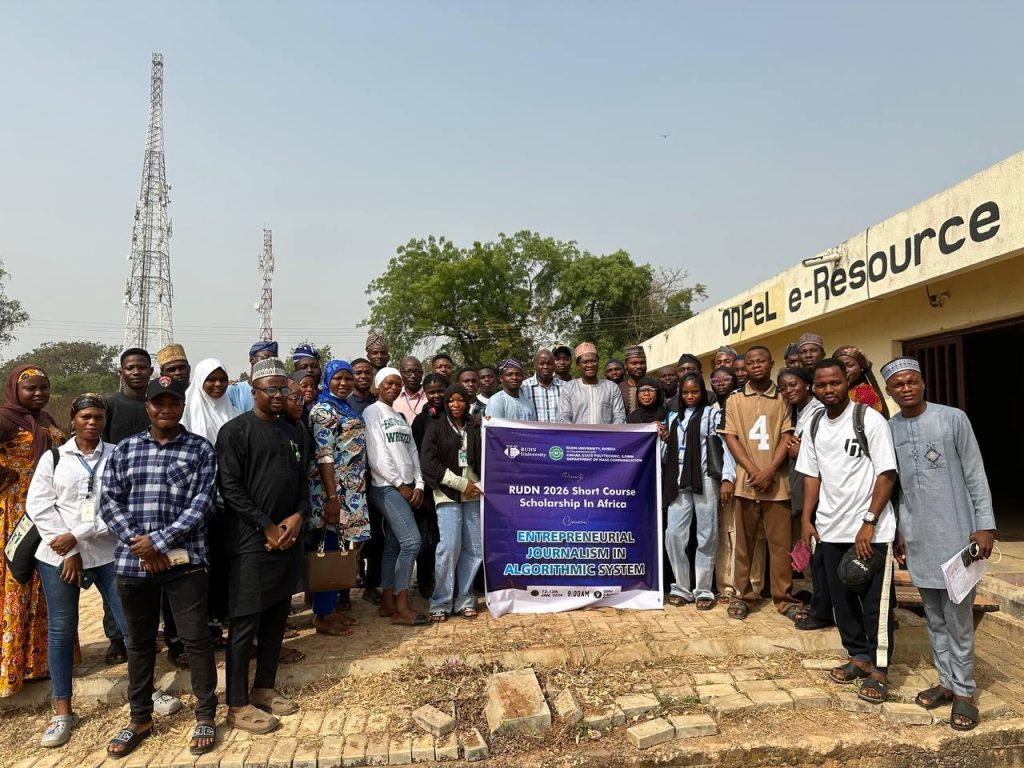
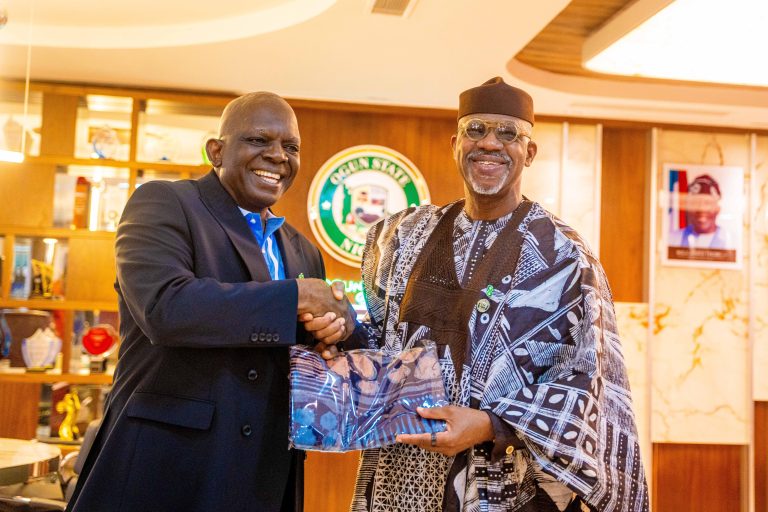
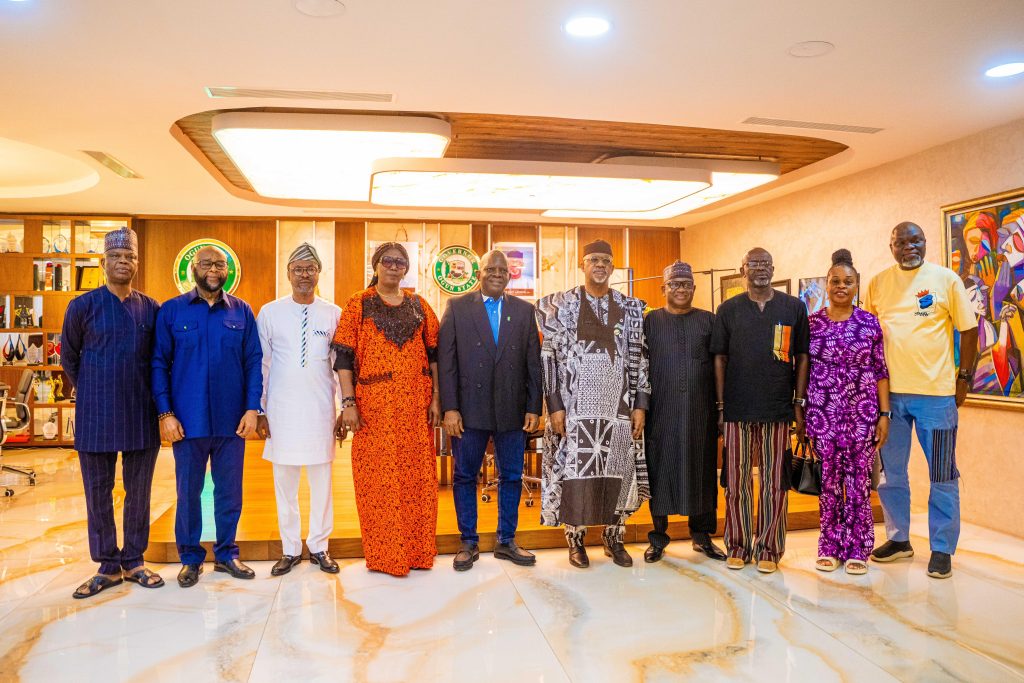
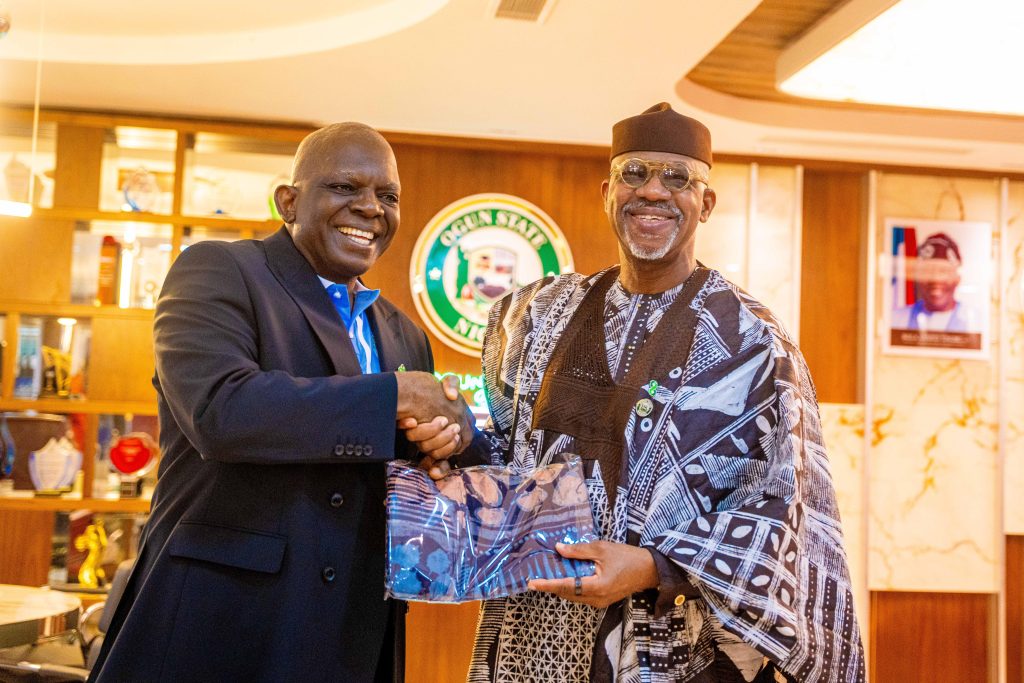
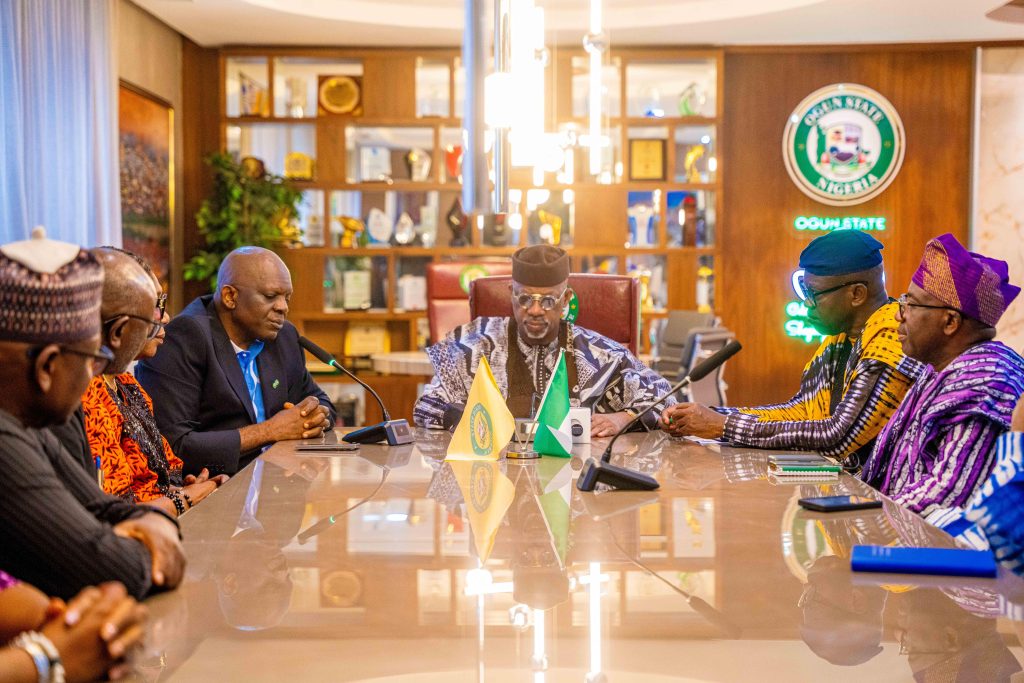
Since 2023, the Center for Continuing Professional Education at the Faculty of Philology of the Patrice Lumumba Peoples’ Friendship University of Russia (RUDN University) has been successfully implementing advanced training programs for Nigerian specialists in media communications, research, and pedagogy.
According to Elizaveta Telegina, Vice-Rector for Continuing Education at RUDN University, “The implementation of such projects confirms the importance of continuous learning as a key tool for professional development in the context of constantly evolving work processes and the introduction of new technologies. Continuing education programs in media communications primarily contribute to improving the practical skills of Nigerian specialists through work on real-world projects. Learning through these programs unites people of different cultures through knowledge and contributes to the sustainable development of countries via education, which reflects the core mission of the Patrice Lumumba Peoples’ Friendship University.”
In its first two years, the Center implemented four professional development programs under the academic direction of Dr. Mustapha Muhammed Jamiu, Lecturer in the Department of Mass Communications. The programs included:
Media and Intercultural Communication in the Digital Age Community Journalism in the Digital Age Academic Journalism for Young Scholars Entrepreneurial Journalism for Young Media Founders and Media Content Creators
Participants gained relevant knowledge and practical skills from media communications professionals, including training in modern tools, critical thinking development, and understanding media functionality in the digital era. The project’s international focus facilitated cultural exchange and helped build a professional network among participants from different countries as assets that will benefit their future careers.
Kristina Abdus, Director of the Center for Continuing Professional Education, stated, “As part of the educational project, we signed four cooperation agreements with major Nigerian organizations: the Center for Research on the Development of Media Management and Society in Africa (CEREDEMS Africa); the African Center for Media and Intercultural Dialogue; Customer Service Awards Limited; and the Wakanda Media Foundation. RUDN’s collaboration with its African partners creates favorable conditions for adapting educational programs to local contexts, meeting labor market demands, and fostering sustainable ties between educational institutions and businesses in the region. This collaboration exemplifies the successful integration of academic potential and practical needs, contributing to Russia’s long-term strategic interests in Africa.”
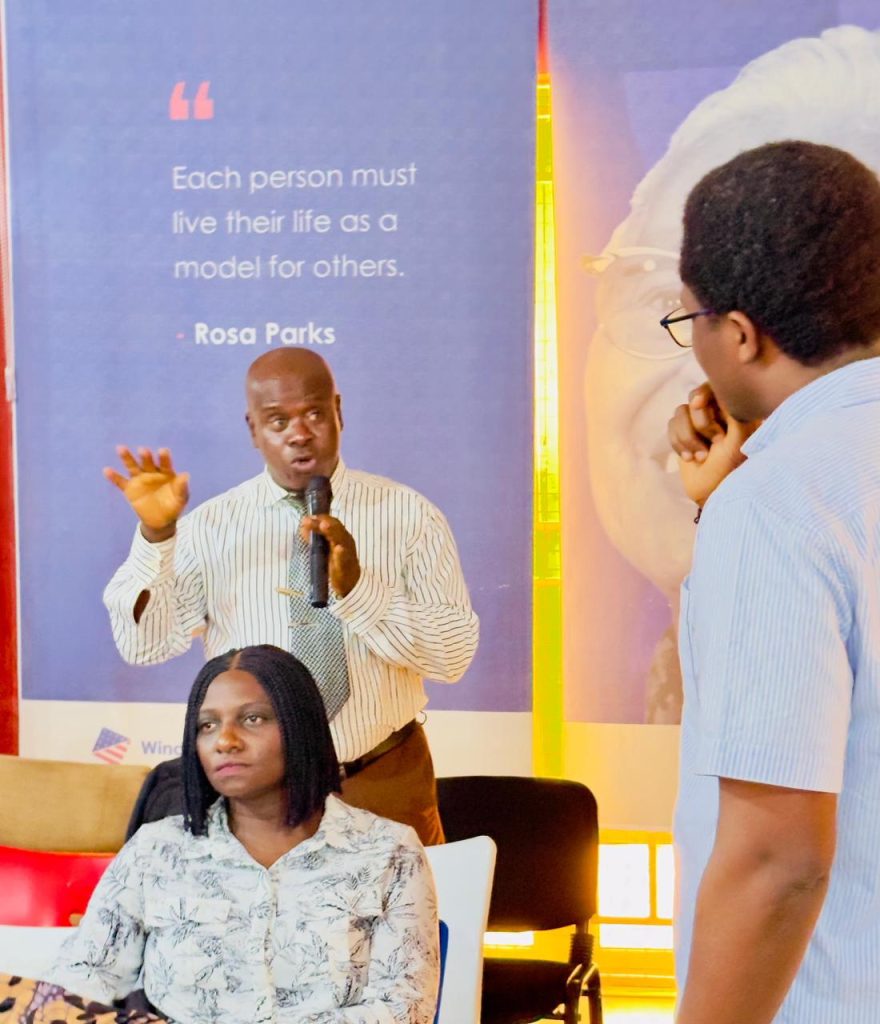
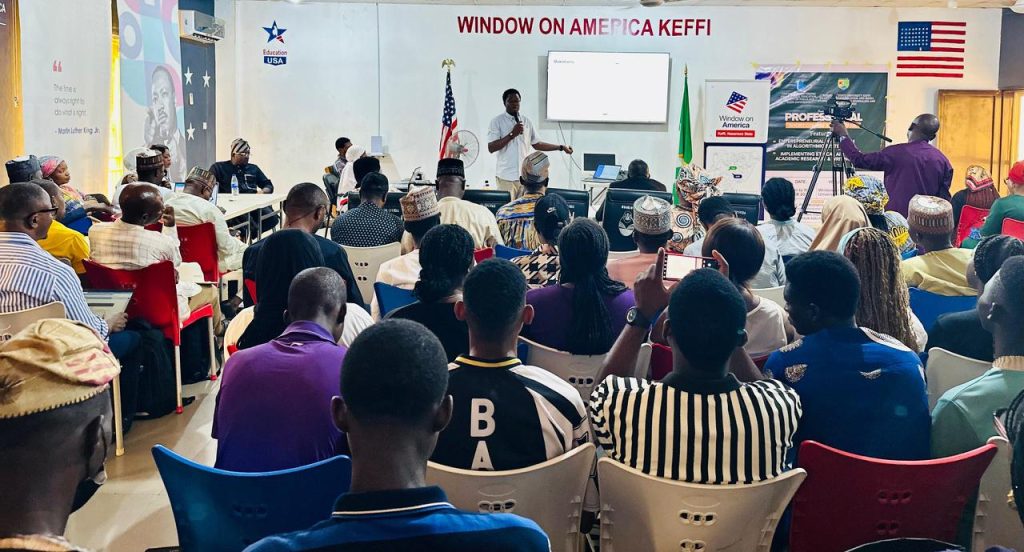
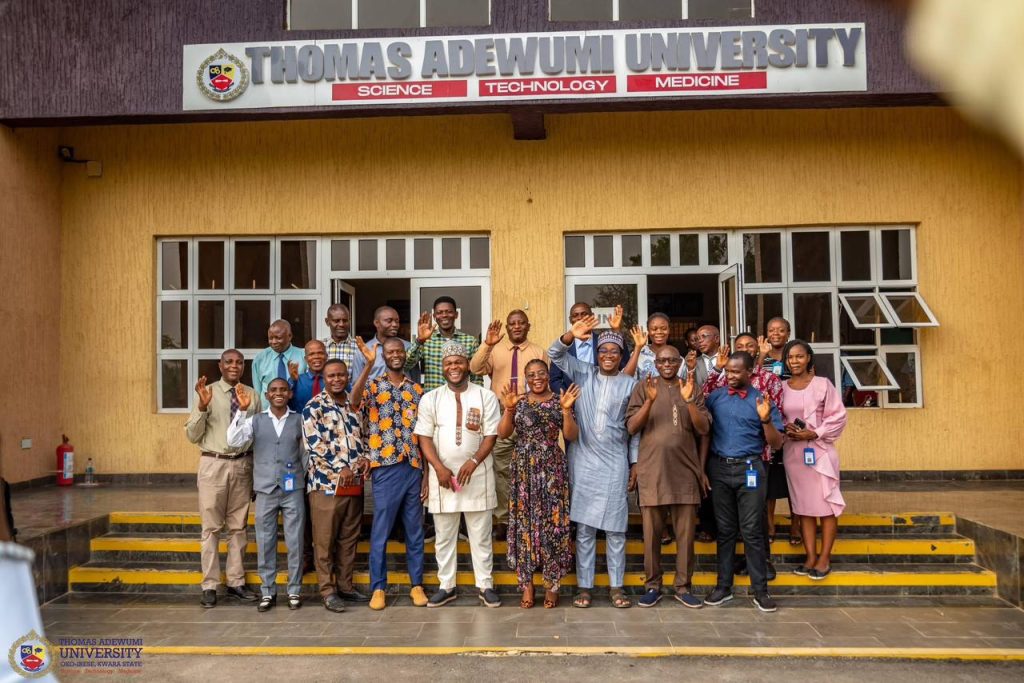
2026, the Center continued its annual short-course scholarship program in Nigeria. According to Program Director Dr. Mustapha Muhammed Jamiu, “This year’s trainings were organized in collaboration with ten partner higher institutions, including the University of Ilorin, Kaduna State University, Nasarawa State University, Kwara State College of Arabic and Islamic Legal Studies, Fountain University, Kwara State University, Bingham University, Thomas Adewunmi University, Kwara State Polytechnic, and Afe Babalola University. The sessions took place across five states—Kwara, Nasarawa, Abuja, Osun, and Ekiti which attracted approximately 2,000 participants.”
The courses offered this year were:
Digital Pedagogy for Higher Education Teachers Entrepreneurial Journalism in Algorithmic Systems Implementing Ethics of Academic Writing and Research in Emerging Technologies
As in previous years, Dr. Mustapha Muhammed Jamiu served as lead facilitator, supported by facilitators from partner institutions across Nigeria.
The co-host institutions and training beneficiaries expressed their appreciation to RUDN University for organizing these impactful sessions. In recognition of these efforts, Kaduna State University and Thomas University, Oko-Irese presented Dr. Mustapha with awards of recognition.
RUDN University’s educational projects continue to strengthen international scientific cooperation and enhance the quality of professional training for young specialists from African countries.
A governorship aspirant on the platform of the All Progressives Congress in Oyo State, Dr Adewale Kareem, has said the state deserves improved healthcare services, stronger security, and better governance.
Kareem, who is eyeing the state’s top seat in the 2027 election, said he has developed a comprehensive plan to address the challenges confronting the state.
According to a statement signed by his media aide, Dayo Badmus, on Tuesday, the aspirant said he had taken time to study the needs of the state and develop policies aimed at driving development.
Badmus noted that stakeholders had begun shifting attention from routine declarations by aspirants to deeper considerations such as party unity, electoral viability, and governance capacity.
He said Kareem would prioritise security, healthcare, education, youth empowerment, and agriculture if elected governor.
“His government will focus on education reform, economic diversification, infrastructure renewal, institutional accountability, and expanded opportunities for youths and women.
“There is no doubt that Oyo State is facing challenges in many areas, and the Kareem administration will work to improve the quality of life of the people.
Though many people have indicated interest in contesting for the office under the APC and other political parties, Kareem has what it takes to give the people of the state the leadership they desire,” the statement read.
He added that the aspirant’s public engagements had been focused on structured policy articulation aimed at delivering sustainable development.
The statement also noted that Kareem had, over the years, been involved in several community-based interventions, including financial support for small business operators and investments in social and educational infrastructure.
The aspirant has also initiated youth-focused programmes, including the establishment of a football club, while his scholarship schemes and business enterprises linked to job creation further demonstrate his commitment to community development.
Badmus further noted that Kareem’s international professional exposure, particularly in Australia, would be beneficial if he becomes governor, as it would help adapt global best practices to Oyo State’s socio-economic realities.
He added that the aspirant has also begun consultations with party elders, stakeholders, and traditional leaders in line with the progressive tradition of the late former governor, Abiola Ajimobi.
According to him, the consultations are aimed at strengthening unity within the party ahead of the 2027 governorship election.
2027: Ogun Popular Political Group, Omoluabi Movement, Begins Mobilisation For APC Candidates
…plans empowerment for 30,000 members
Omoluabi Movement, the most popular grassroots political group in Ogun State, has reaffirmed its commitment to mobilising support for the re-election of President Bola Ahmed Tinubu, the senatorial ambition of Governor Dapo Abiodun, and the governorship aspiration of Senator Solomon Adeola ahead of the 2027 general elections.
In a statement released to journalists in Abeokuta on Wednesday through the State Director of Media and Publicity, Oluseun Joshua, the movement stated that it had intensified efforts to strengthen grassroots mobilisation for candidates of the All Progressives Congress (APC) across the state.
In the statement signed by the Convener of the movement, Armstrong ‘Tope Akintunde, asserted that the mobilisation drive is aimed at expanding outreach and encouraging active political participation among members, which it said currently exceeds 30,000 across Ogun State’s three senatorial districts.
Disclosed that the group had commenced statewide mobilisation activities with the deployment of newly unveiled buses to enhance coordination and grassroots engagement. Adding that plans were underway to empower over 30,000 registered members of the movement.
“We began our mobilisation exercise a few days ago across Ogun State, deploying 27 buses to various communities. This effort is primarily focused on rallying support for the re-election of President Bola Ahmed Tinubu and other APC candidates in the state,”.
The Convener, Armstrong Akintunde in the statement clarified further that the Omoluabi Movement is not affiliated with any similarly named political group associated with former Osun State Governor, Ogbeni Rauf Aregbesola.
“Our Omoluabi Movement is different and has no connection with what the former Governor of Osun State, Ogbeni Aregbesola, is associated with, as speculated by some individuals. The name ‘Omoluabi’ is a common Yoruba concept and is not tied to any political figure. Our focus remains mobilising support for APC candidates in Ogun State, with plans for future expansion,” – Akintunde added.
He explained that the introduction of the buses formed part of a strategic initiative to strengthen grassroots engagement and improve organisational efficiency within the movement.
“Our vision is to nurture a political culture anchored on the Omoluabi ethos-integrity, accountability, service, and respect for democratic values,” he said.
The statement further noted that the name “Omoluabi” reflects the group’s guiding philosophy centred on responsibility, integrity, and progressive leadership, stressing that its activities are dedicated to mobilising support for APC candidates in the 2027 elections.
According to the group, the name was inspired by remarks made by the Ooni of Ife, Oba Adeyeye Enitan Ogunwusi, during a visit for the official unveiling and royal blessing of the 27 buses.
The movement listed its key objectives as building strong grassroots structures to support President Tinubu’s re-election bid, Governor Abiodun’s senatorial ambition, and the emergence of Senator Solomon Adeola as governor of Ogun State in 2027, alongside other APC candidates contesting National and State Assembly seats.
“The movement’s mission is rooted in promoting participatory democracy, good governance, and sustained political engagement at the community level,” the statement added.
It also emphasised its commitment to bridging the gap between leadership and citizens through political awareness, civic responsibility, and inclusive development initiatives aligned with the aspirations of Ogun State residents.
The Executive Secretary and Chief Executive Officer of the Nigeria Shippers’ Council, Dr. Akutah Pius Okeyima has described the Gateway International Airport as a critical piece of infrastructure capable of addressing the challenges associated with cargo movement within Nigeria and across the West African sub-region.
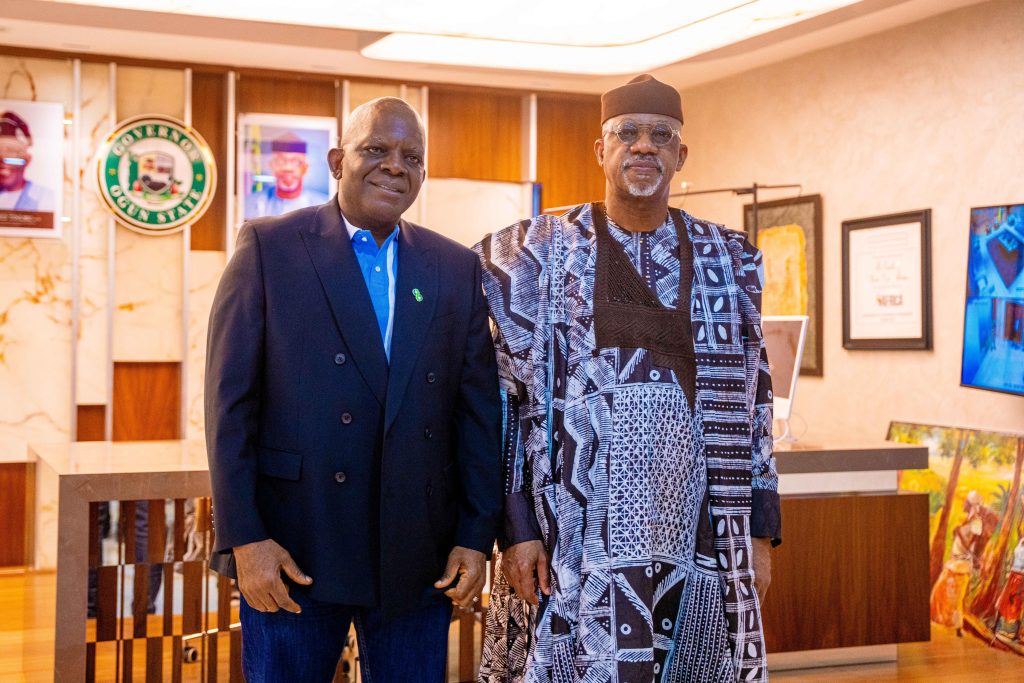
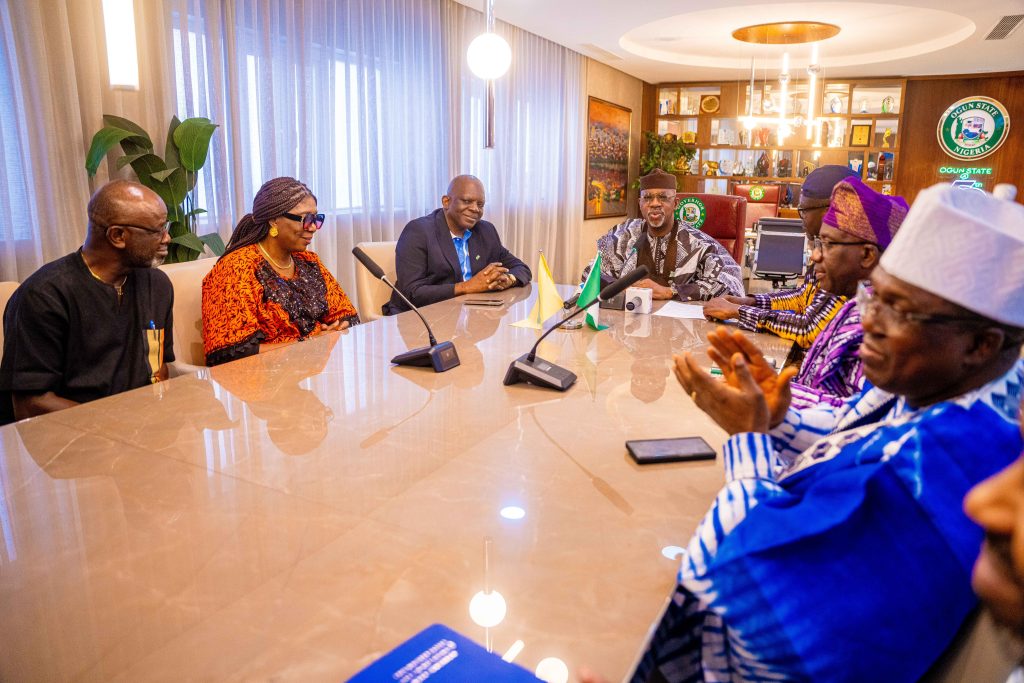
Dr. Akutah made this known when he led a delegation of officials from the Council on a courtesy visit to the Ogun State Governor, Prince Dapo Abiodun, at his office in Oke-Mosan, Abeokuta.
The Shippers’ Council boss, who expressed satisfaction with the pace of development in the state, said the airport would serve as a strategic hub for cargo movement within Nigeria and across the sub-region.
According to him, the cargo airport represents a significant milestone in strengthening the country’s transportation infrastructure and improving the movement of goods.
He said: “The state cargo airport is one of the critical infrastructure for transportation and for the movement of cargo in and out of Nigeria. The commissioning and utilisation of this airport represents another milestone in the development of infrastructure around cargo transportation within and outside the country.
Today, the movement of cargo around West Africa is very challenging due to the lack of an effective intermodal transport system within the sub-region. However, the development of this cargo airport presents enormous potential for progress in facilitating cargo movement to West Africa and beyond.”
Dr. Akutah noted that Ogun State remains the nation’s industrial hub, making seamless cargo movement essential for economic growth. He commended the state government for developing two dry ports simultaneously, noting that the projects are progressing at an impressive pace.
He also explained that the Council chose Ogun State to host the fourth edition of its retreat because of the conducive environment, adding that the gathering would provide members with the opportunity to deliberate on key issues affecting cargo movement and proffer workable solutions.
“We have a lot to discuss for the progress of the Nigeria Shippers’ Council. We have several projects, and one of them is located here in Ogun State. Our concern this year is to expand critical infrastructure for services in Nigeria to ensure that cargo movement through and from the country is faster and that the ease of doing business is enhanced.
“Ogun State is a great partner in this regard with the simultaneous development of two dry ports. We specifically chose to come here to demonstrate our solidarity with the government, which is working very hard to help decongest the seaports through the development of these critical infrastructure projects,” he said.
Dr. Akutah also praised the rapid pace of development across the state, attributing the increasing number of industries to the government’s commitment to infrastructure development and the creation of a conducive business environment.
“Within the last two years that we have been visiting, there has been remarkable progress. The governor is clearly committed to excellence, and his touch can be seen in the transformation taking place across the state,” he added.
Speaking earlier, Governor Abiodun disclosed that the state government is also developing a Deep Sea Port to further accelerate economic growth, noting that the project would help ease congestion at the Lagos ports and enhance cargo movement across the country when completed.
The governor commended the Nigeria Shippers’ Council for its role in facilitating seamless cargo movement through effective handling, processing and regulation, urging members to use the retreat to deliberate on strategies that would further strengthen the Council’s efficiency and service delivery.
He also appreciated the Council for choosing Ogun State as the venue for its retreat, reiterating that his administration has been deliberate in creating a peaceful and conducive environment for people to live, work and do business in the state.
Governor Abiodun assured the Council of the continued support of the Ogun State Government in its efforts to improve cargo movement and strengthen Nigeria’s logistics and maritime sector.
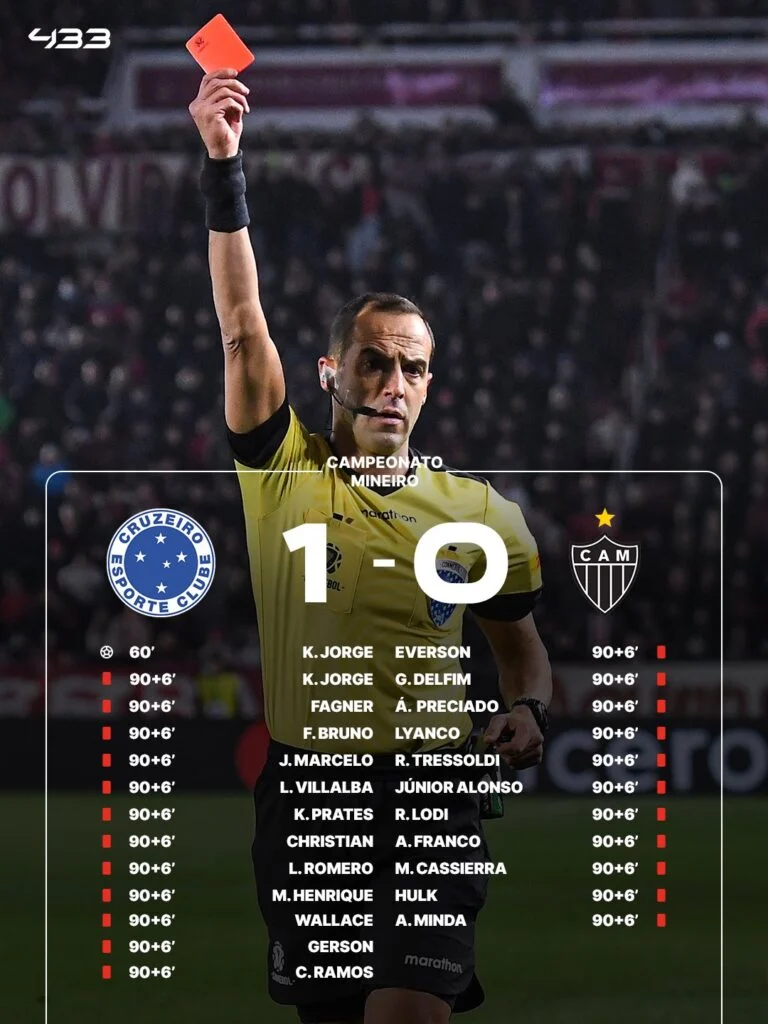
Chaos erupted during the final of the Campeonato Mineiro between Cruzeiro and their local rivals Atlético Mineiro, with 23 players from both teams sent off after a mass brawl.
The incident occurred on Sunday in Belo Horizonte during stoppage time of Cruzeiro’s 1–0 victory.
The confrontation began when Atlético goalkeeper Everson rugby-tackled Cruzeiro midfielder Christian after the midfielder collided with him while contesting a loose ball the goalkeeper had spilled.
Everson then knelt on Christian, catching his face and shouting at him while applying pressure to his back. The action provoked an angry reaction from Cruzeiro players, who confronted the goalkeeper and pushed him into the net, sparking a mass melee.
The fight, which began near the goalpost, quickly spread across the pitch as players kicked, punched and pushed one another. Security officials and team staff struggled to separate the players as the violence continued for more than a minute.
According to Brazilian media reports, the match was completed without immediate send-offs, but the referee later issued 23 red cards after reviewing the incident. Twelve players from Cruzeiro and eleven from Atlético Mineiro were dismissed.
Atlético forward Hulk condemned the violence, describing it as regrettable.
“It’s regrettable, I have never seen violence like that in any football game. We cannot set that example because it ends up having repercussions all around the world. We have a responsibility to safeguard our image and the image of the institution,” he said.
Cruzeiro coach Tite, meanwhile, thanked the club’s supporters after the victory.
“I want to convey to the Cruzeiro fans the affection and respect I have for them. I may lack competence at times, but respect for the fans, the work, the dignity, the honesty, that’s what counts,” he said.
Players shown red cards after the incident included Gagner, F. Bruno, J. Marcelo, L. Villalba, K. Pitrates, Christian, L. Romero, H. Henrique, Wallace, Gerson, C. Ramos, K. Jorge, Everson, G. Delfim, A. Preciado, Lyanco, R. Tressoldi, Jr Alonso, R. Lodi, A. Franco, M. Cassierra, Hulk and A. Minda. All the cards were issued at 90+6 minutes following the review of the incident.
The Dangote Petroleum Refinery has increased the gantry price of Premium Motor Spirit to N1,175 per litre, marking the third upward adjustment within a week.
The new price was announced to marketers on Monday, raising the gantry price of petrol from N995 per litre announced on Friday, representing an increase of N180 or about 18.1 per cent within three days.
The refinery also revised the gantry price of Automotive Gas Oil, commonly known as diesel, to N1,620 per litre.
A senior official of the refinery, who spoke on condition of anonymity because he was not authorised to comment publicly, confirmed the adjustment, stating that the revision had already been communicated to marketers and depot operators.
“Yes, the gantry prices have been adjusted. PMS is now N1,175 per litre while Automotive Gas Oil is N1,620 per litre,” the official said.
“The market has been extremely volatile, and replacement costs have shifted significantly in recent days. These adjustments reflect prevailing market fundamentals and the cost environment we are currently operating in.”
Checks on the industry pricing platform petroleumprice.ng indicated that the revised rates had already been updated across petroleum depot pricing systems, showing a shift in the benchmark price used by downstream marketers.
The new price represents the third increase in petrol prices within a week, following earlier adjustments that moved the gantry price from N774 to N995 per litre.
As a result, retail pump prices in several states now exceed N1,000 per litre, with some filling stations dispensing petrol at about N1,200 per litre.
The latest increase is expected to trigger further price hikes at filling stations nationwide, as higher fuel costs often translate into increased transportation, logistics and production costs for businesses.
It also comes amid efforts by the Nigerian National Petroleum Company Limited to secure crude oil supply for the Dangote refinery through third-party international traders to sustain domestic refining operations.
Officials, however, noted that the intervention may not immediately result in lower petrol prices for consumers as Nigerians continue to face rising fuel costs.
Four Nigerian businessmen — Aliko Dangote, Mike Adenuga, Femi Otedola and Abdul Samad Rabiu — have been named among Africa’s richest individuals in the 2026 ranking released by Forbes.
According to the latest Africa Billionaires list, Dangote retained his position as Africa’s richest man with an estimated net worth of $28.5 billion. He added about $4.6 billion to his fortune over the past year, largely driven by the strong performance of Dangote Cement on the Nigerian Exchange Limited.
Telecommunications magnate Adenuga also maintained his place among Africa’s billionaires. The founder of Globacom and chairman of Conoil Producing remains one of Nigeria’s most influential entrepreneurs with interests spanning telecommunications, oil and gas, and banking.
Otedola, chairman of Geregu Power Plc, also featured on the list despite a slight dip in his wealth over the past year. Forbes estimated that the billionaire investor lost about $200 million following the sale of a majority stake in the power generation company at a discount to its market price.
The rise in Rabiu’s net worth was largely driven by the performance of BUA Cement, whose shares rose 135 per cent over the past year, outperforming the broader rally on the Nigerian stock market.
Forbes reported that the 23 billionaires on the continent are now worth a combined $126.7 billion, representing a 21 per cent increase from 2025 after they collectively added $20.3 billion to their net worth.
Across the continent, billionaire fortunes were boosted by strong equity market performance, record corporate profits and improving currency stability in several African economies.
South Africa has the highest number of billionaires on the list with seven individuals, followed by Egypt with five, Nigeria with four, and Morocco with three.
No female billionaires from Africa appeared on the 2026 ranking.
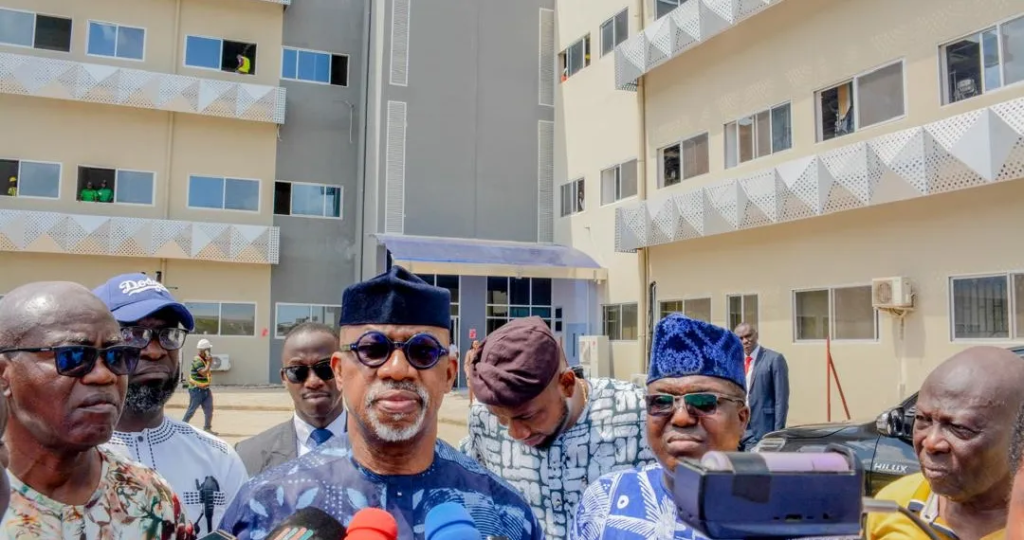
L-R: Tokunbo Talabi, Secretary to the Ogun State Government; Dapo Abiodun, Governor of Ogun; Toyin Taiwo, Chief of Staff to the Governor; and Ade Akinsanya, Commissioner for Works, at the renovated 250-bed hospital, Oke Mosan, Abeokuta.
There is a telling detail about the state of healthcare in Ogun when Governor Dapo Abiodun took office in May, 2019. The entire state, with more than five million people, had only five ambulances that were functioning. Five. In a state of more than 16,000 square kilometres, where even the rural communities can be accessed only by small roads or waterways, five ambulances were not just a logistical shortcoming; it was a statement about what had been a priority of the previous administration.
For inhabitants of such communities, a medical emergency was a gamble. A pregnant woman in Ogun Waterside, going into labour at night, was faced with the dual hazard of the birthing condition and the near-impossibility of getting to a facility in time.
Health centres in many wards had no running water, no reliable electricity and equipment so out of date it offered little more than a figment of care. Workers at several facilities improvised to make sure important services did not collapse, not due to innovation, but due to necessity.
That was the inheritance. What has been built since is another story entirely.
A System Rebuilt from the Bottom Up The most basic decision the Abiodun administration had to take was to begin where the people are, at the primary healthcare level. Rather than focus on only flagship hospital projects, which make for impressive ribbon-cutting ceremonies, the government set out in June 2020 to build or upgrade primary health centres across all 236 wards in the state, ensuring each community had access to functional healthcare.
The logic makes sense, and the precedent is global. Primary healthcare is where the majority of a population’s healthcare needs should be met. It is where children receive their vaccines, where mothers go for their ante-natal, where hypertension and diabetes are caught before they become a crisis. A poor PHC system puts pressure on secondary and tertiary facilities, which are quickly overwhelmed. That cycle serves no one.
The government has renovated over 60 Primary Healthcare Centres by 2022. Through strategic partnerships, most notably the World Bank-supported IMPACT Project and the federal Basic Health Care Provision Fund (BHCPF), the state has since revitalised over 75 PHCs in all 20 local government areas as the first phase of a broader reform programme. These are not cosmetic touch-up jobs. As described by Dr. Elijah Ogunsola, Executive Secretary of the Ogun State Primary Health Care Development Board, each renovation involved a full overhaul: structural improvements, water supply systems, power solutions, delivery beds, and an ultrasound machine in each of the 20 LGAs.
This is life-changing to a community such as the Itun-Oluwo in the Abeokuta North, where seasonal hand-dug wells were the only source of water before the renovation. It is a dignity to the health worker who once had to make do with basic care with no electricity and equipment. And to the mother who can now have the benefit of safe delivery in her ward, and not taking an expensive ride to Abeokuta. It is a second chance, quite plain and simple.
The state again announced in 2023 that clinical and structural interventions would be implemented in all 236 centres in the 2024 to 2026 Medium Term Expenditure Framework, which is indicative of it not being a one-off project but a long-term programme of reform. When Emergencies Must Not Wait.
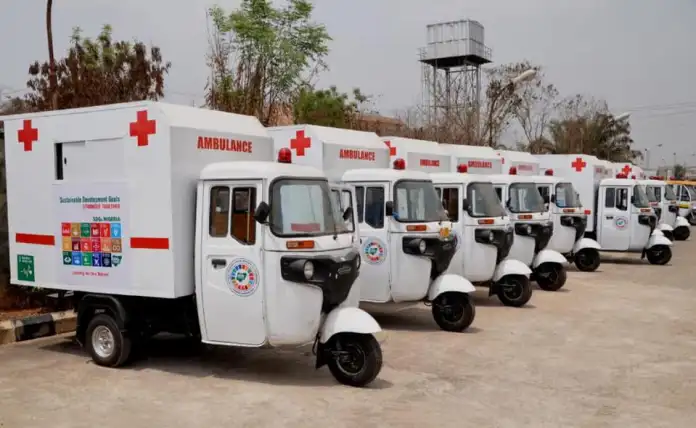
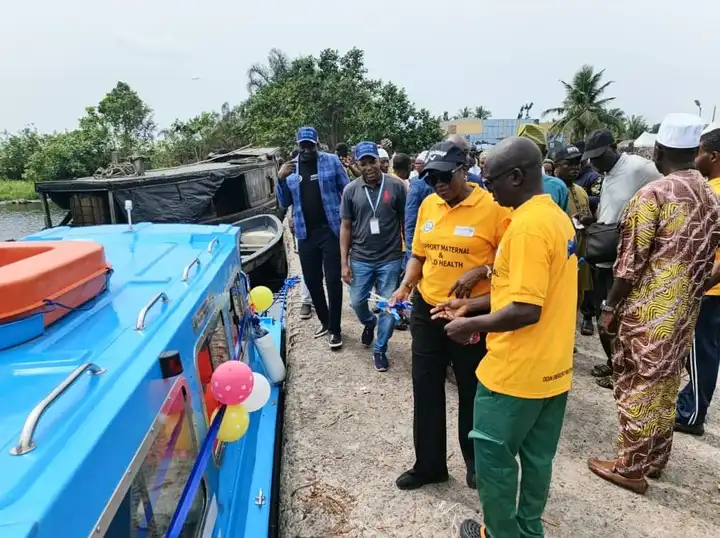
It is in a crisis that a healthcare system can be judged. The reform of emergency response by Ogun is an indication of an administration that knows this. The state has been increasing its fleet of ambulances since 2019, with an increase of Basic life support ambulances to a total of 50 to cover all three senatorial districts to ensure 24-hour coverage. Since the use of standard vehicles is not possible in rural areas with narrow roads, 90 tricycle ambulances were introduced into the communities that can hardly be reached: 50 ambulances were purchased by the state government, 30 by the Office of the Senior Special Assistant to the President on SDGs, and 10 by individuals who donated them. In the case of the riverine communities of Ogun Waterside, the boat ambulance currently provides service because patients would have lacked any opportunity of accessing emergency services altogether.
Boat ambulance commission at Makun-Omi, Ogun Waterside Local Government. Photo Source: Business Day. Source: UGC
The change in odds is due to this expansion. It means that the woman in labour in a border community has a plausible chance of getting to help. It means a child with severe malaria is not entirely reliant on a family’s ability to find and pay for transportation in the wee hours of the night. Emergency care, in this conception of the administration, is not a privilege of being close to urban centres. It is a state-wide entitlement.
Infrastructure is Incomplete Without Affordability A renovated facility does not include the woman who cannot pay for consultation, or the old man who skips medication to feed his family.
Ogun’s response to this has been the systematic expansion of the Ogun State Health Insurance Scheme (OGSHIS).
The trajectory is deliberate, because in 2020, the state launched the informal sector scheme that extends coverage to artisans, market women, traders and other residents who were not under formal employment. In February 2022, the scheme was formally put into operation. And in August 2024, the Formal Sector Health Insurance Scheme was introduced (where the government agrees to pay 50 percent of the premium for every civil servant who is enrolled, a direct intervention that takes some of the financial burden off workers who often make just enough to get by).
Underpinning all of this, the administration paid a counterpart fund of N100 million as far back as February 2020 to access the federal government’s Basic Health Care Provision Fund, as a strategic move that unlocked federal resources and enabled the state to employ and deploy approximately 60 doctors and 80 midwives across the 20 LGAs in the state. The state also released N310 million in the form of an equity fund to provide health insurance access to low-income people (part of which helped provide free surgeries to over a thousand vulnerable beneficiaries).
That money trail tells its own story: this is not a government that announced a scheme and moved on. It is one that funded it, expanded it, and subsidised it for those who needed it most.
Human Capital as the Spine in the System
A health facility that lacks trained and motivated staff is just an expensive building. The Abiodun administration has made a serious investment in Ogun’s health workforce, recognising that infrastructure and personnel have to go hand-in-hand.
Beyond the deployment of doctors and midwives through the BHCPF, the state has focused on continuous professional development, with training programmes in the areas of maternal and child health, immunisation and disease surveillance. In parallel with the IMPACT Project, the state has started the recruitment of more than 400 Community Health Workers in all 20 local government areas, specifically to extend the reach of the health system into communities where formal health workers are still thin on the ground.
This investment in human capital is not a rhetorical one. It is the difference between a functioning health centre and one that is fully equipped but poorly run – a distinction that patients know acutely.
Validation that is Data-Driven, as Opposed to Decorative.
In December 2025, Ogun State came first runner-up in the South West zone at the third edition of the Primary Health Care Leadership Challenge Award organised by the Nigeria Governors’ Forum for the second successive year. The award of $400,000, provided to help spur excellence and transformation in the delivery of healthcare, is not given on the basis of political affiliation or rhetoric. It is benchmarked on governance performance indicators, accountability measures and demonstrated health outcomes. Winning it two consecutive times means something.
So does the assessment of the World Bank. During a visit to the state in January 2026, World Bank officials praised Ogun’s investments in primary healthcare, specifically the contribution of strengthened PHCs in improving population health outcomes. For an institution where its evaluations are based on data, this is not a courtesy compliment.
Commissioner for Health, Dr Tomi Coker, has described the administration’s approach to healthcare as one focused on increasing access, especially at the grassroots, and the evidence bears her out. Ogun State’s growing reputation as the model for sub-national healthcare leadership in Nigeria is a consequence of work done and not perception managed.
The Road Ahead
None of this indicates that the work is complete. Ogun State is still struggling to reach the goal of universal health coverage, and the gap between ambition and delivery still exists in some communities. Infrastructure in border and hard to reach areas is still behind. Work force is unevenly distributed. The health insurance scheme is still struggling to build its enrolment base.
But the direction is firm, the structures are in place, and the systems are functioning at a level they were not in 2019. A state where there used to be 5 ambulances now has over 50 life support vehicles and 90 Tricycle units reaching the communities where roads are barely passable. A situation where health centres were without water and electricity now has a phased renovation programme in all 236 wards. A state where the uninsured simply went without has now piled on insurance schemes serving formal workers, informal traders and vulnerable indigents.
That is not a press release. It is a reformed architecture. And when a woman in Ogun Waterside gives birth to her child safely on a boat ambulance instead of on a mud floor, when an artisan in Sagamu renews her health insurance for the price of lunch for a few months, the promise of the system is made real. This is the measure of a stronger health system. Not the buildings themselves but the lives they are meant to protect.
The Federal Government has banned the mounting of roadblocks for the collection of taxes and levies nationwide.
It also signed a new Presumptive Tax Framework aimed at bringing millions of small and informal businesses into the formal economy by simplifying tax payments for traders, artisans and other micro enterprises.
Executive Secretary of the Joint Revenue Board, Olusegun Adesokan, announced the measures during the signing of the framework at the Ministry of Finance in Abuja. He said the new framework prohibits tax officials from using roadblocks to collect levies, a practice that has drawn criticism from businesses and transport operators.
It also bans the mounting of roadblocks for the collection of taxes,” Adesokan said.
The Minister of Finance and Coordinating Minister of the Economy, Wale Edun, described the framework as part of the tax reform programme of the Bola Ahmed Tinubu administration to expand the nation’s tax base while protecting small businesses.
Edun said the new tax regime is designed to provide a simple and fair system that allows small businesses in the informal sector to meet their tax obligations without complex accounting requirements. The system, he explained, will rely on clear indicators such as business category and turnover levels rather than detailed financial records.
“The objective of presumptive taxation is not to overburden small businesses, but to provide a fair, simple and predictable framework for tax compliance,” Edun said.
He added that the framework would help widen the tax base and strengthen non-oil revenue without increasing existing tax rates.
“Our fiscal strategy is anchored on expanding the tax base rather than increasing tax rates. Inclusion drives sustainability,” the minister said.
Edun noted that micro and small enterprises form the backbone of Nigeria’s economy and that the framework is intended to reduce compliance costs and create a structured pathway into the formal sector.
“These regulations provide clarity to tax authorities and protect taxpayers from arbitrary assessments. The system will be transparent, rules-based and nationally consistent,” he said.
He added that a stronger and more diversified revenue base would enable the government to invest more in infrastructure, security and social programmes.
The minister said the regulations were developed in collaboration with the Joint Revenue Board to ensure alignment between federal and state tax administrations.
Earlier, Adesokan described the framework as a major step towards making the tax system fairer for ordinary Nigerians. He said the reform reflects the administration’s commitment to ensuring that the tax system supports economic growth.
According to him, businesses with an annual turnover of up to N50 million will be exempted from tax under the new arrangement.
“It ensures that our nano and small businesses with an annual turnover of 50 million naira are exempted from tax,” Adesokan said.
He explained that the exemption would allow small entrepreneurs to retain more capital to run and expand their businesses before entering the tax system. For other informal businesses above the exemption threshold, he said the framework introduces a simplified tax rate based on turnover.
Adesokan also stated that the framework prohibits the use of cash for tax payments and bans all forms of cash collection by tax authorities, encouraging the use of technology for payments.
The Omoluabi Political Movement in Ogun State has congratulated the Governor of Ogun State, Prince Dapo Abiodun, and the State Chairman of the All Progressives Congress (APC), Chief Yemi Sanusi, alongside 35 other executive committee members, following their re-election to lead the party for another four-year term.
The congress, held on Tuesday at the Cultural Centre in Abeokuta, was supervised by the APC Congress Committee Chairman, Chief Wale Ohu, in the presence of officials of the Independent National Electoral Commission (INEC). Governor Dapo Abiodun, CON, and other party chieftains also attended the exercise.
In a congratulatory statement issued to Journalists in Abeokuta on Tuesday by the Movement’s Media and Publicity Director, Oluseun Joshua, the convener of the movement, Armstrong ’Tope Akintunde, described the re-election of the state executive committee as a testament to their dedication, loyalty, and sustained service to the party.
Akintunde stated, “What we witnessed in Ogun APC today is a reflection of the achievements of our party’s state executive members led by our leaders, Governor Dapo Abiodun and Chief Yemi Sanusi. It is clear evidence of their longstanding dedication and commitment to the All Progressives Congress in Ogun State.”
Akintunde noted that the Sanusi-led executive had strengthened unity within the party under the leadership of Governor Abiodun.
“The Ogun State APC today stands united under one umbrella through the leadership of Chief Yemi Sanusi and our Governor, Prince Dapo Abiodun, CON. Their leadership has demonstrated results beyond rhetoric,” he said.
Akintunde further stated that continued support from party members reflects confidence in leaders who have delivered on their responsibilities.
“In politics, good performance often earns continued opportunities to serve. This is evident in the support enjoyed by Governor Abiodun and now by Chief Sanusi and other executive members,” he added.
He also called for increased mobilisation ahead of future political engagements, assuring that the Omoluabi Movement would continue to support the party’s leadership and programmes in the state.
Reacting to the outcome of the congress, the State Coordinator of the Omoluabi Movement, Hon. Olusegun Kaka, asserted that re-election of the executives was widely anticipated due to their efforts in strengthening the APC in Ogun State.
“We have witnessed significant political realignments with members of opposition parties joining the APC in Ogun State. This reflects growing confidence in the leadership of Governor Dapo Abiodun and Chief Yemi Sanusi. The leadership of the state chapter has continued to attract new members into the party,” Kaka noted.
The Chief of Staff to the President, Femi Gbajabiamila, has called on Nigerians, particularly the wealthy, to use the holy month of Ramadan as a period of reflection, compassion and tangible support for the less privileged.
Gbajabiamila made the call at a Ramadan lecture he organised in collaboration with the Council of Imams and Alfas in Surulere, Lagos, on Saturday. He said Ramadan goes beyond fasting and prayers, stressing the need for responsible leadership and the proper use of wealth.
Ramadan reminds us that leadership is a trust and wealth is a responsibility. We must use what God has given us to uplift those around us,” he said.
Represented by his wife, Mrs. Salamot Gbajabiamila, the Chief of Staff noted that sustainable governance must have direct impact on the lives of citizens, especially at the grassroots level.
“Government must not only design policies; it must ensure those policies translate into real improvements in the lives of ordinary Nigerians,” he stated.
The event featured the distribution of empowerment tools, including mini-buses, grinding machines, hair dryers, freezers, food items and cash support to selected beneficiaries in Surulere.
Gbajabiamila explained that the initiative was structured to promote long-term economic stability for beneficiaries.
Earlier, the Special Adviser to the Speaker of the House of Representatives on Budget, Lukman Lawal, commended President Bola Tinubu for what he described as impactful leadership.
Lawal attributed progress in key areas to Tinubu’s Renewed Hope initiative and called for continued support and prayers for national development.
Also speaking, the Mufti of Ilorin, Kwara State, Sulaimon Onikijipa, urged wealthy Nigerians to support the less privileged as a means of narrowing the gap between the rich and the poor.
He said every good deed attracts divine reward, adding, “He who pours water on the ground will step on the wetland.”
Onikijipa warned that those blessed with wealth but unwilling to assist the needy risk divine consequences. He highlighted the Islamic principle of Zakat, explaining that it was instituted as a means of eradicating poverty.
The cleric also commended Dr. Lateefat Gbajabiamila, mother of the Chief of Staff, for her role in raising her children and prayed for her continued prosperity and long life.
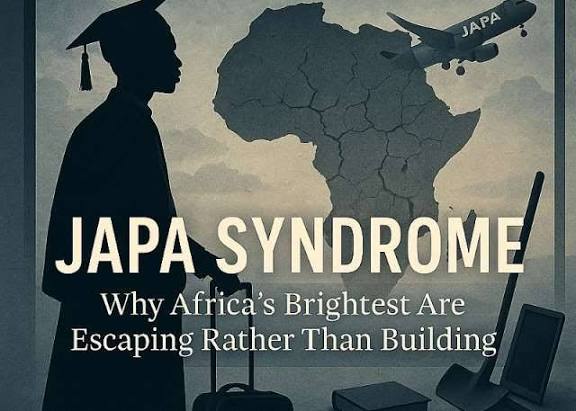
YOUTH VOICES FROM THE STREET At 11:47 p.m., a 24-year-old graduate lies awake, phone glowing in the dark. Another notification. Another visa approval. Another friend leaving. He isn’t lazy. He has plans. But he feels late. For many young Nigerians, success no longer feels like a journey. It feels like a countdown. Social media has turned life into a highlight reel where everyone seems to be “making it” at record speed. Every scroll becomes a reminder: someone your age is relocating, launching a startup, living soft life. Success is now public. Panic is private.
Once just slang for leaving the country, Japa has become more than relocation. It is hope, escape, validation, and proof of progress. For many, leaving feels like the fastest way to breathe. But beneath the excitement is a quiet question: are we running toward opportunity, or away from pressure? When OgunSpeaks Media spoke to young people on the streets, most rated their pressure to succeed above 7/10. Some were eager to leave. Others admitted they didn’t even want to go, but feared regretting it if they stayed. What stood out wasn’t just their words, but the urgency behind them.
The pressure comes from everywhere: family comparisons, friends’ expectations, social media success stories, and a society that treats “staying” like stagnation. Young people aren’t just chasing dreams; they’re managing expectations. Yet the online narrative rarely shows the full picture. We see airport photos and winter aesthetics. We don’t see loneliness, financial strain, or the struggle of starting from scratch. Even relocation comes with its own pressure. So, is success geographical? Or is it alignment, impact, peace, wherever you are? Some young people choose to stay and build locally, quietly resisting the idea that progress must come with a boarding pass. In today’s climate, staying also takes courage. Beyond economics, this is a mental health issue. Constant comparison fuels anxiety, restlessness, and burnout. When success feels like a deadline, joy becomes conditional: I’ll relax when I relocate. I’ll be proud when I make it. But the definition of “making it” keeps moving. The conversation about Japa isn’t just about migration. It’s about identity, worth, validation, and fear. Until young people feel supported economically and emotionally, the pressure will remain.
Julius Precious
Maybe the real question isn’t, “Should we Japa?” Maybe it’s: Why does success feel like a ticking clock—and who set the timer?